When hurricanes temporarily halt fishing marine food webs recover quickly Biology Diagrams Fishing has a strong impact on coastal marine food webs, but it's a hard effect to measure. When Hurricane Harvey hit Texas in 2017, it temporarily halted fishing in one area of the Gulf Coast The effect of resource subsidies on recipient food webs has received much recent attention. The purpose of this study was to measure the effects of significant seasonal seaweed deposition events, caused by hurricanes and other storms, on species inhabiting subtropical islands. The seaweed represents … A typical hurricane can release up to 300 terawatts of energy, with just 25% of that being wind. 1. We often only think about how hurricanes impact life on land, but they also radically affect marine ecosystems, changing everything from seafloor habitats to oxygen and salinity levels in the water.
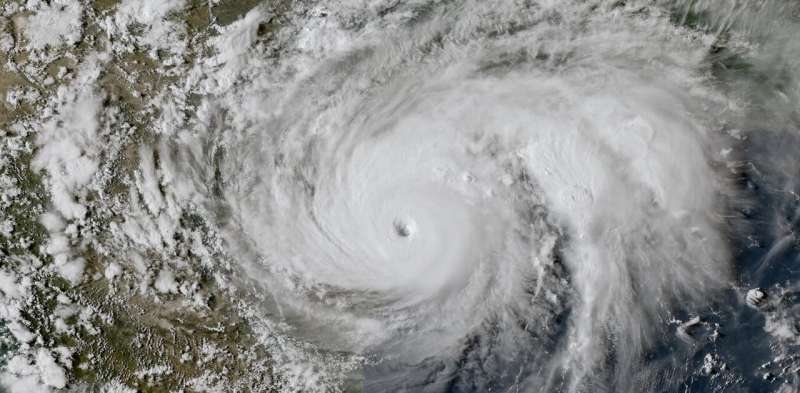
Marine ecosystems and their living marine resources (LMRs) continue to respond to the effects of global change, with environmental factors impacting marine fisheries biomass, distribution, harvest, and associated economic performance. Extreme events such as high-category hurricanes, harmful algal bl … These effects on ecosystems and their inhabitants can last for years or even decades. Here is a bit about what long-term changes hurricanes can cause: Long Term Effects on Wildlife. Hurricanes have devastating effects on wildlife, which can be quite long-lasting as well. Animals may perish because of storm-related factors such as: Altered habitat

When hurricanes temporarily halt fishing, marine food webs recover quickly Biology Diagrams
Phytoplankton form the foundation of the marine food chain, and climate change is shaking that foundation. Phytoplankton in the open ocean appear to be dwindling. In the early 2000s , scientists detected that enormous zones of ocean with fewer nutrients and sparser phytoplankton, known as ocean deserts, are expanding.
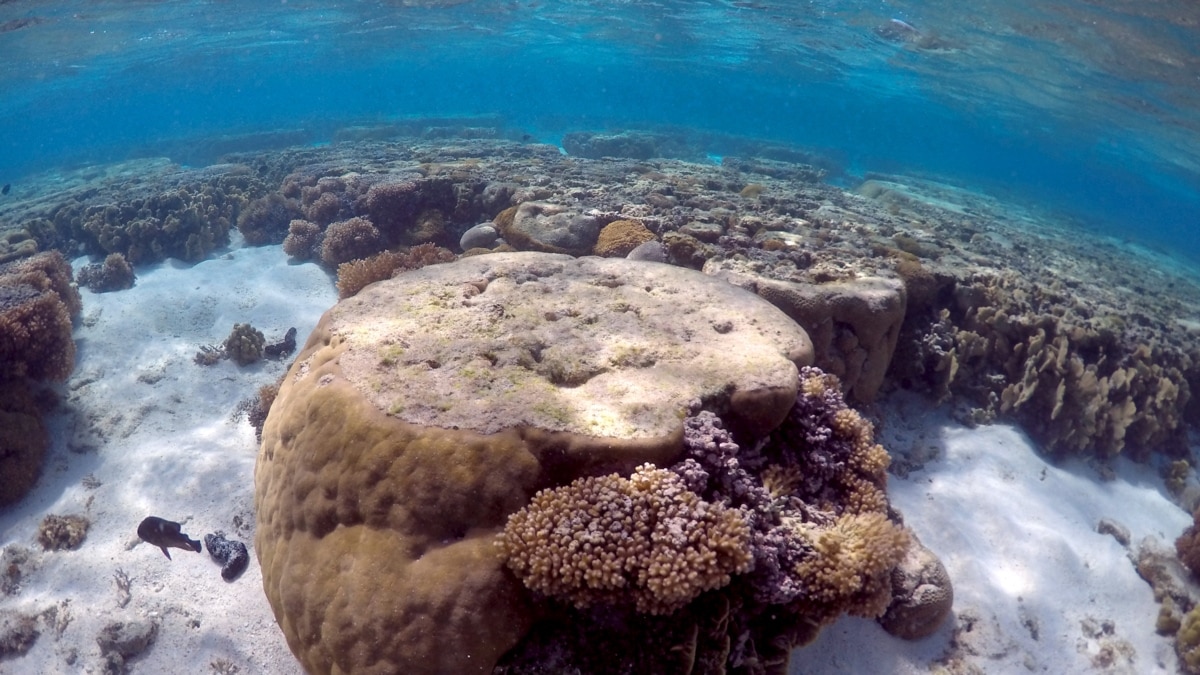
The ripple effects extend throughout the marine food web. Pteropods, tiny sea snails nicknamed "sea butterflies," are especially susceptible to acidification. These organisms serve as crucial food sources for various marine species, including salmon and whales. Their decline could trigger cascading effects across entire ecosystems. cant pressure on terrestrial and marine ecosystems. 1,2 Climate change causes increases to temperature and changes to precipitation patterns. Importantly, it will also cause changes to the frequency and intensity of extreme events globally. 3 Tropical cyclones, also known as typhoons or hurricanes,4 are among the most destructive natural
